

Track where users complete the journey — and where they drop
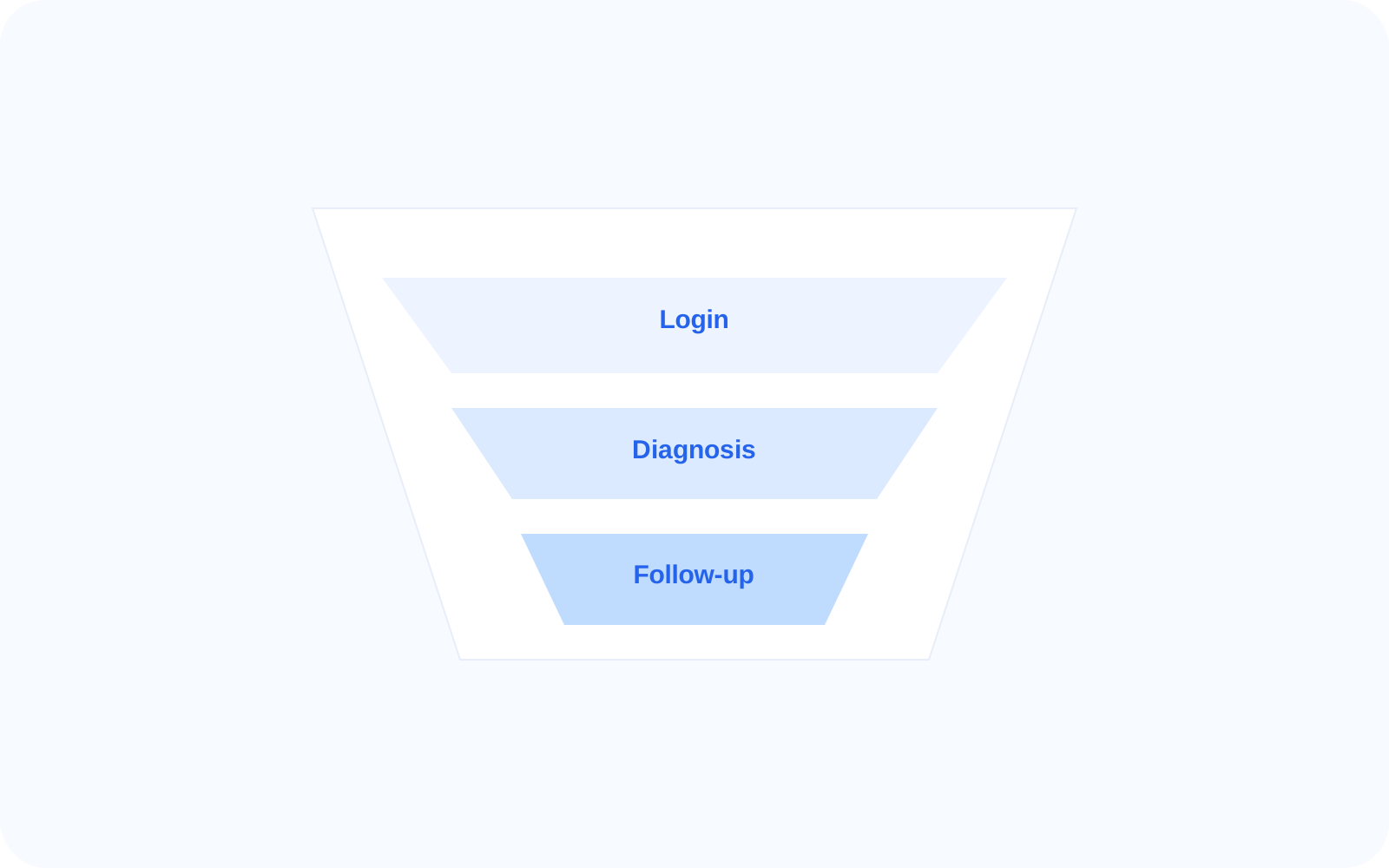
Funnels show how users move through critical journey steps from entry to completion, making it clear where completion drops and where journey continuity weakens. This helps digital product teams understand whether users leave before checkout confirmation, after activation review, or before a required next step action.
Overview
Measure task completion step by step
Track how many users successfully move through each stage of a key flow instead of only measuring the final outcome. Funnels show where completion begins to weaken and which next step deserves attention first. For example, a team may find that users log in successfully but fail to move from plan selection into checkout.
Funnel flow
From entry to completion
Visualize how users progress through critical steps so the critical flow becomes measurable and easier to improve. This is especially helpful when teams know completion is low but do not yet know which step is blocking progress.
Drop-off analysis
Identify where users drop
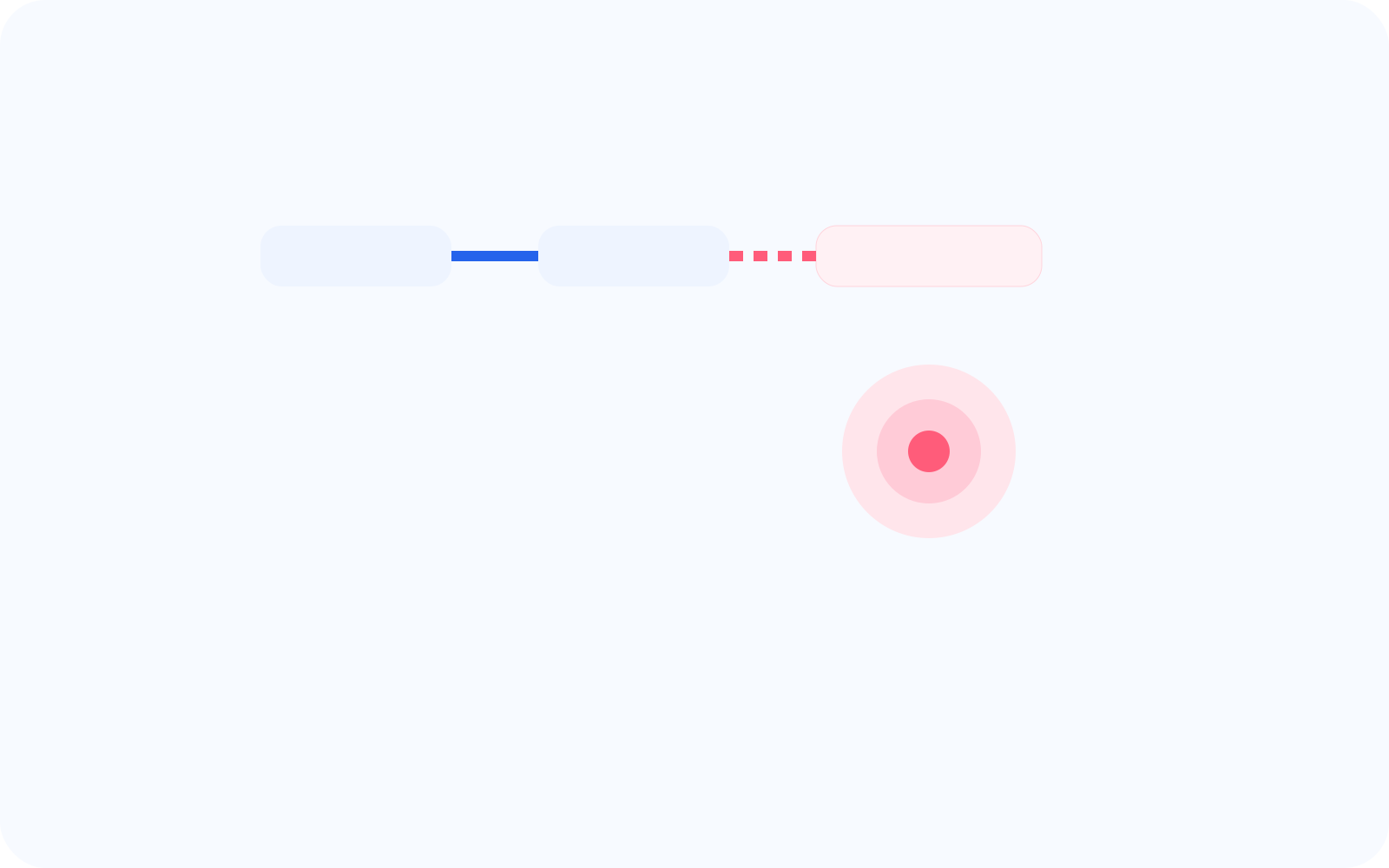
See exactly where users stop before completing key tasks so the team can focus on the step that matters most. Instead of treating the whole funnel as one problem, teams can identify whether the breakdown happens after login, before checkout completion, or after activation.
Drop after login
Drop before checkout
Drop after activation
Impact
Understand the business impact
Every drop-off represents a missed business opportunity, not just a lower completion rate. When users do not move into the next step, the impact may show up as abandoned checkouts, unviewed details, or no activation after signup.
Abandoned checkouts
Unviewed account details
No activation actions

Step comparison
Compare step performance
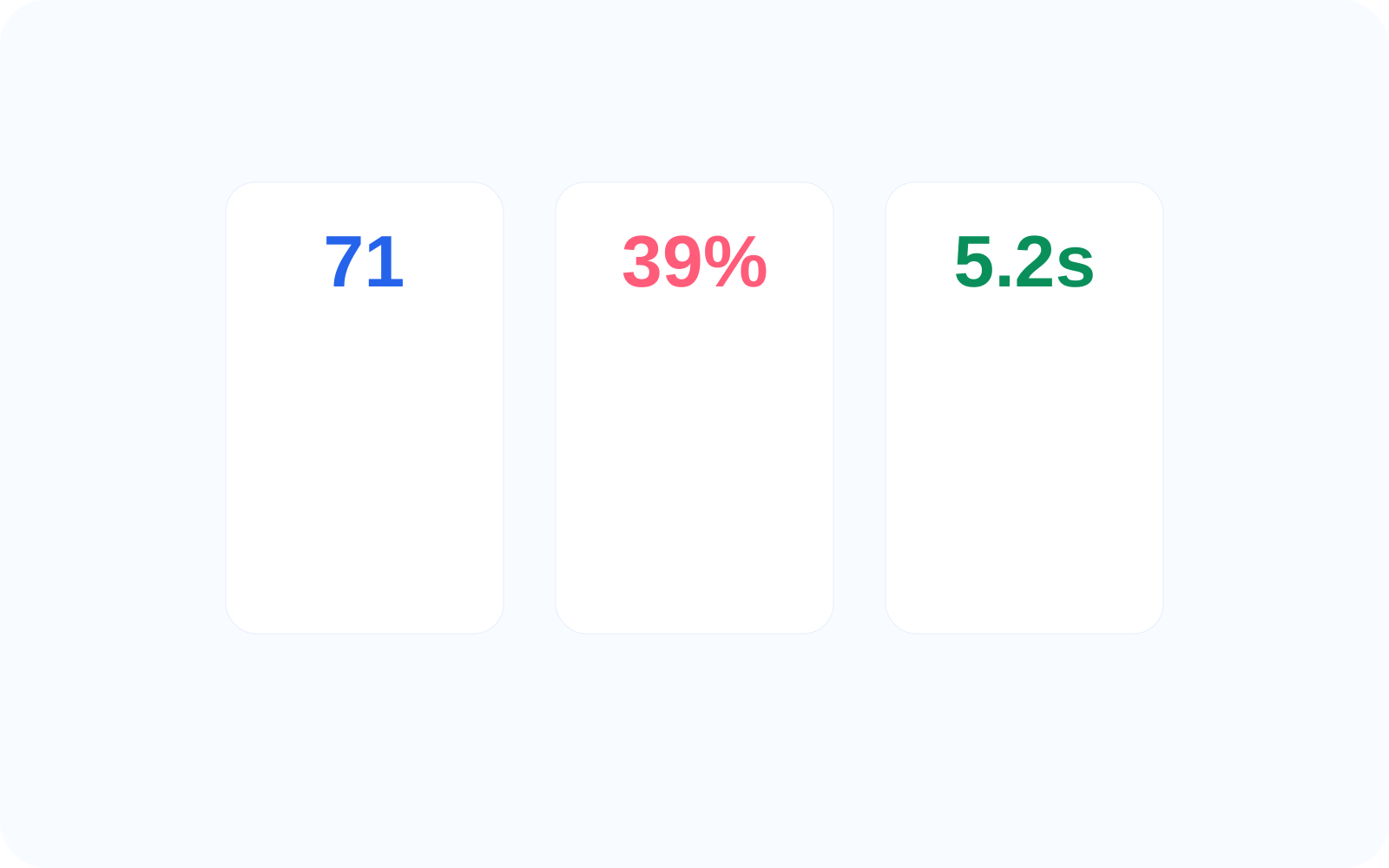
Identify which steps perform well and which are consistently creating risk for journey continuity. This helps teams avoid over-optimizing healthy stages while the real breakdown sits later in the user journey.
Optimization
Improve task completion
Use funnel insights to guide users through critical steps with fewer missed key moments. Once a team knows where completion drops, it can simplify the step, improve clarity, or reduce friction around the next action.
Simplify checkout flows
Reduce unnecessary steps
Improve clarity after activation
Integration
Built to work with your system
Bring funnel analysis into user journey workflows without forcing teams to rebuild how they already operate. Hospitals can move from funnel drop-off into replay, intent, and journeys when a specific next step needs deeper explanation.
Related features
Connected capabilities
Session Replay
Replay the exact user session behind a funnel drop-off so teams can see the path, hesitation, and final exit point. This adds context to a completion problem that might otherwise look like a simple percentage change.
Intent Tracking
Connect funnel steps to what should have happened versus what happened instead. This helps teams understand whether a user dropped before a next step, fell back into another path, or completed a different action.
Journey Analysis
See how funnel steps fit inside the broader user journey so teams understand where completion drops in context. This is useful when the same missed next step appears across multiple routes through the app.
FAQ